
Machu Picchu Travel Guide 2026
Tickets, Trains, Circuits & Tips

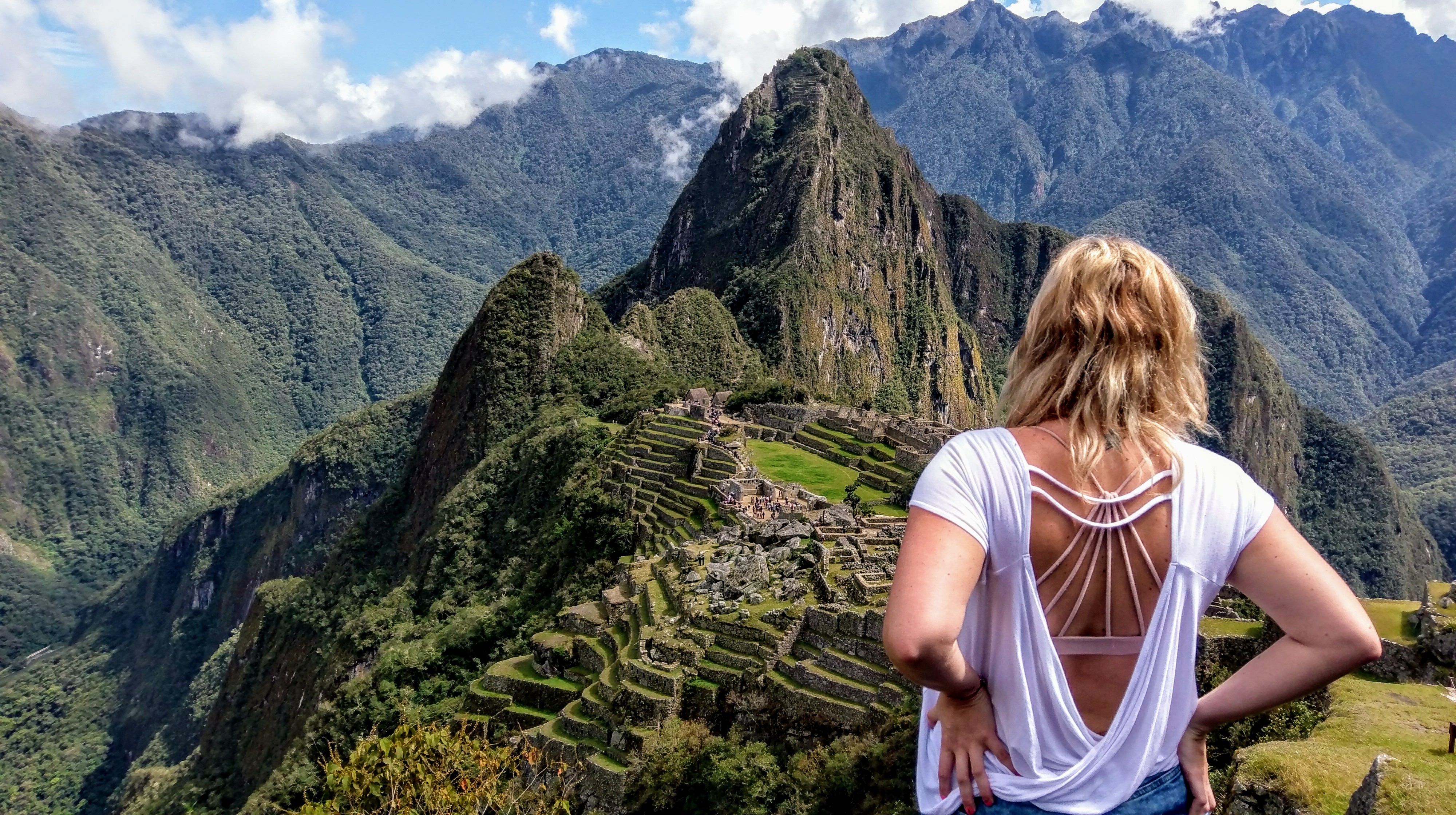
Table of Contents
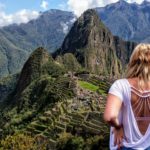
Machu Picchu is, without a doubt, one of the most incredible trips I’ve ever taken.
But I’ll be honest: if it hadn’t been for all the great tips several friends gave me before my trip, some things would have been much more complicated.
That’s why I wanted to put together this guide. My original trip was several years ago, so I’ve updated it with the information you need to know if you’re planning a trip to Machu Picchu in 2026, while keeping the tips and experiences that made my own trip so memorable.
Some things have changed quite a bit — especially the way Machu Picchu tickets and circuits work — so make sure you read that section carefully.
What should you book in advance?
If you’re planning your trip independently, there are three things I would not leave until the last minute.
Your Machu Picchu ticket
This is probably the most important one.
Machu Picchu currently has 3 main circuits divided into 10 different routes, and your ticket determines exactly which route you can follow. (Check circuits here)
For foreign adults in 2026, prices are approximately:
-
Standard routes: S/152
-
Huayna Picchu: S/200
-
Machu Picchu Mountain: S/200
-
Great Cavern: S/200
-
Huchuy Picchu: S/152
There are different rates for children, students, Peruvians and citizens of certain South American countries.
There is also an additional S/11 conservation fee for foreign visitors, introduced in 2026.
How far in advance should you buy?
My advice is: as early as possible, especially if you want to visit Huayna Picchu or Machu Picchu Mountain, or if you’re traveling during a busy season.
Buy your ticket through the official Ministry of Culture platform.
Important: don’t buy a generic Machu Picchu ticket assuming you’ll decide your route later. Your circuit and route are part of the ticket you purchase.
Your train to Aguas Calientes
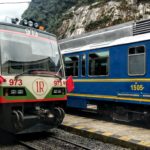
You should also book your train in advance.
The two main companies are:
-
PeruRail
-
Inca Rail
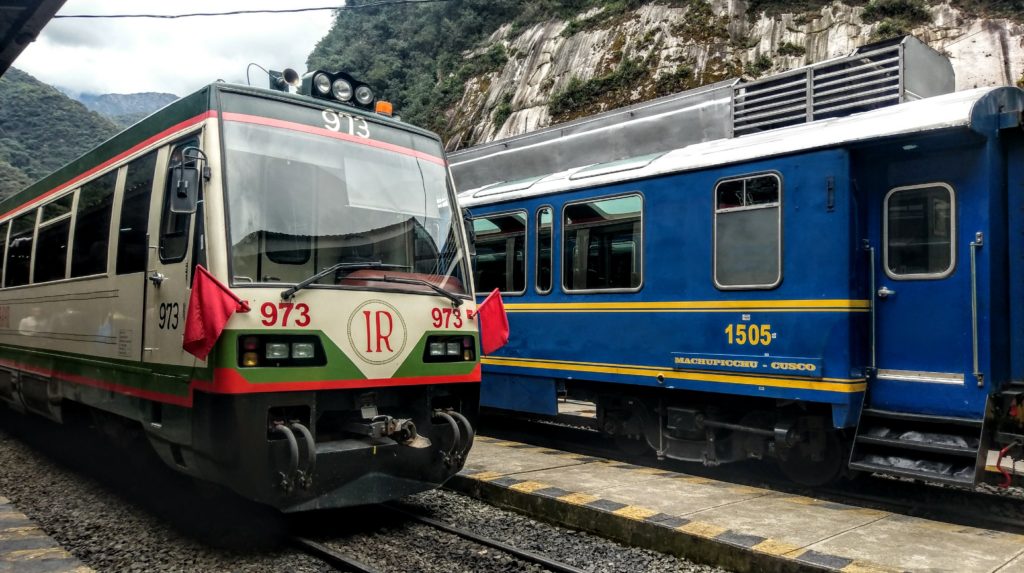
Prices vary depending on your travel date, departure time and type of service.
As a general 2026 reference, standard services can start around US$60–90 each way, while panoramic and premium services can cost considerably more.
So don’t use the old US$154 round-trip price from my original article as a current reference. Train prices vary, so check the specific dates you’re traveling.
I recommend comparing both companies before booking.
Your hotel
Book accommodation in:
-
Cusco
-
Aguas Calientes, also known as Machu Picchu Pueblo
If you’re visiting Machu Picchu early in the morning, I definitely recommend spending the night before in Aguas Calientes.
It means you don’t have to wake up in Cusco and travel for hours before your visit, and it makes the whole day much less stressful.
Arriving in Peru
Currency: Peruvian Soles
The official currency of Peru is the Peruvian sol (S/).
You can exchange some money when you arrive, but I wouldn’t exchange all your cash at the airport. You’ll usually find better options elsewhere.
Credit cards are widely accepted, but I would still carry some cash in soles for taxis, small businesses, markets and other places that may not accept cards.

How should you get from the airport?
One thing I would change from my original advice:
I don’t recommend taking unofficial taxis simply because they’re cheaper.
Instead, use an authorized taxi, a reputable ride-hailing app available in the city, or arrange a private transfer in advance.
Should you book tours once you arrive in Cusco?
When I went, my friend and I arrived in Cusco, went to the Plaza de Armas and visited several local tour agencies to compare options.
And honestly, it worked really well for us.
We compared three agencies and chose the one that offered the best combination of price and what was included.
You can still compare tours locally today, but don’t look at the price alone.
Ask exactly what is included:
-
Transportation
-
Tour guide
-
Entrance fees
-
Breakfast
-
Lunch
-
Hotel pickup
-
Transfers between train stations
-
Any additional fees
A tour that looks cheap at first can become much more expensive once you add all the entrance fees and transportation.
Getting ready for Machu Picchu
Depending on the route you choose, the physical effort can vary quite a bit.
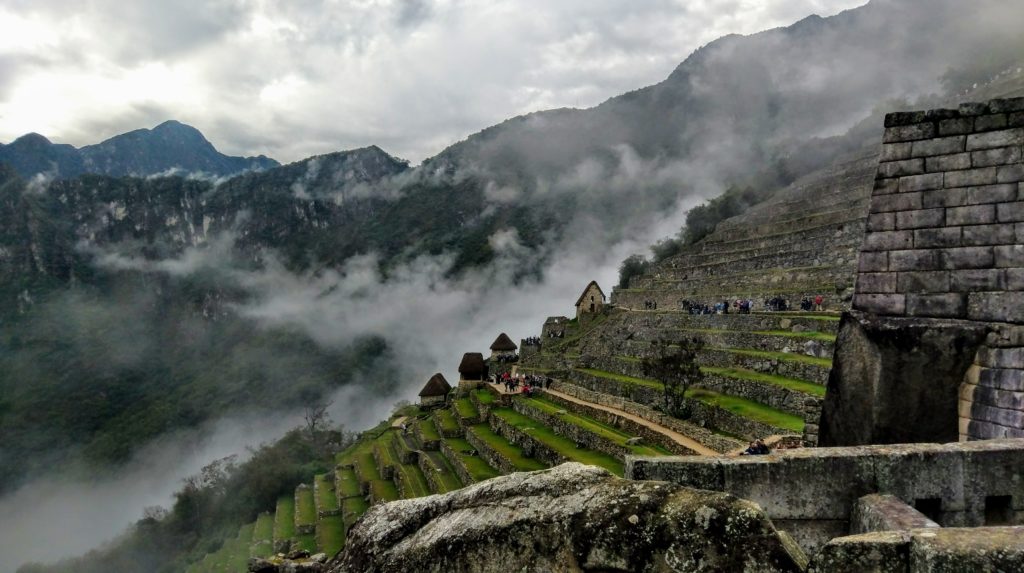
If you’re hiking Huayna Picchu or Machu Picchu Mountain, remember that you’re not simply walking around the ruins — there are significant climbs and lots of stairs.
Here are a few things I would definitely pack:
Sunscreen
Absolutely essential.
Even when it’s cloudy, you can get a lot of sun exposure.
Insect repellent
Bring mosquito and insect repellent, especially if you’re traveling during the warmer and wetter months.
Sunglasses
Don’t forget them.
Hat
A baseball cap or sun hat is a good idea, especially if you’re going to spend several hours outdoors.
Comfortable shoes
Comfortable sneakers are fine for many of the routes. If you’re doing one of the mountain hikes, shoes with good traction are a better option.
Water
Bring enough water for your visit and, if permitted on your route, a small snack.
Rain jacket
This is one of my biggest tips.
Weather in the region can change quickly, and rain is common.
What should you wear to Machu Picchu?
The key is layers.
You can start the morning feeling cold and end up feeling quite warm once you’re walking and climbing.
I would pack:
-
T-shirt
-
Light sweater or fleece
-
Rain jacket
-
Comfortable pants
-
Hiking shoes or comfortable sneakers
-
Hat
-
Sunglasses
And always check the forecast right before your visit.
You don’t need to bring a huge suitcase to Aguas Calientes. On my trip, we left our large suitcases at our hotel in Cusco and only brought a small bag for our overnight stay.
My 7-Day Cusco & Machu Picchu Itinerary
This was the itinerary my friend and I followed.
You don’t have to copy it exactly, but it can give you a good starting point when planning your own trip.
Day 1 — Arriving in Cusco
We arrived in Cusco around 2 p.m., checked into our hotel and went out to explore the city.
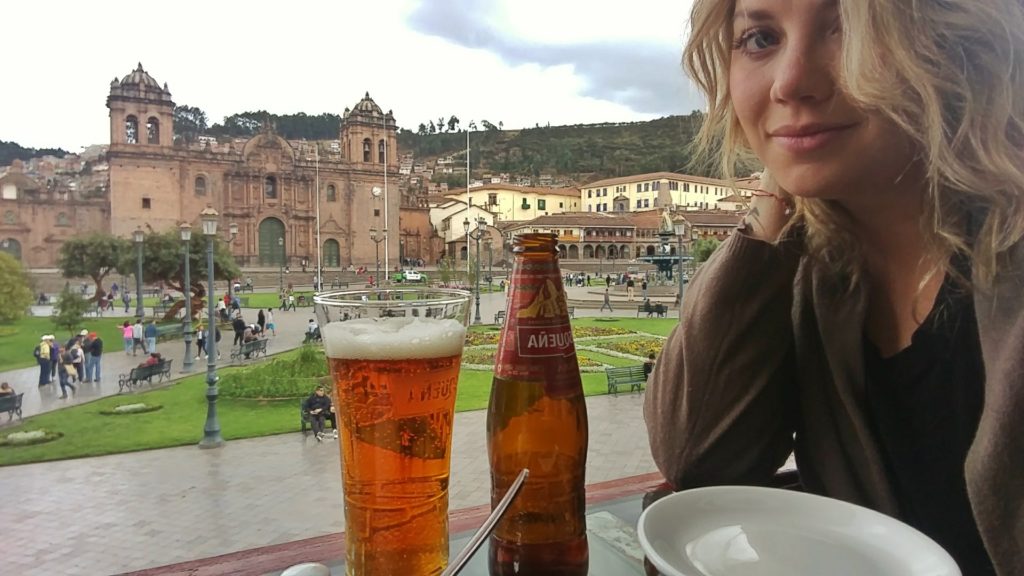
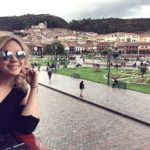
We walked around the Plaza de Armas, explored the surrounding streets and looked for tour agencies.
Important: I wouldn’t plan too many activities for your first day. Cusco sits at a high altitude, so it’s better to give your body some time to adjust.
Day 2 — Sacred Valley + Aguas Calientes
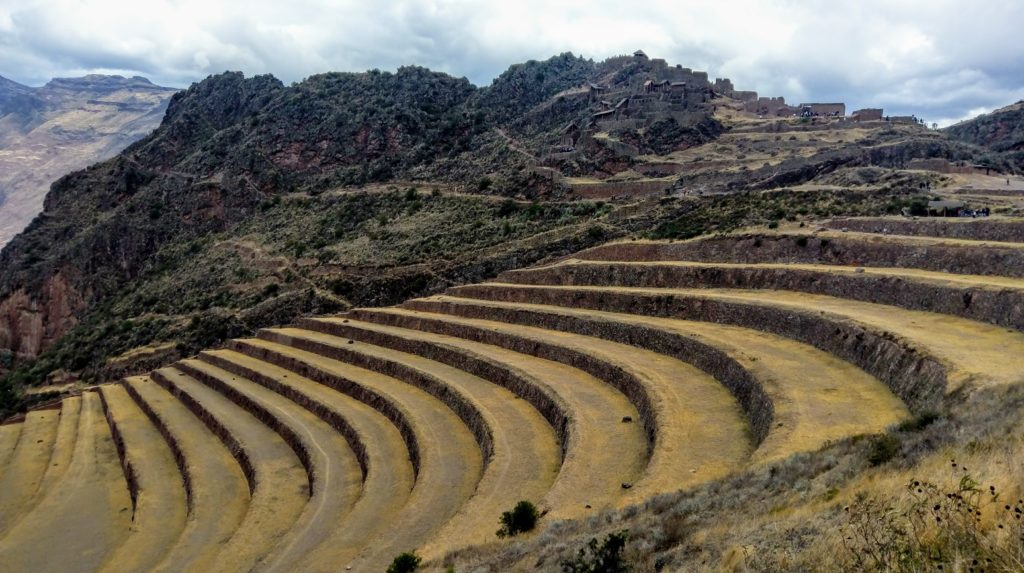
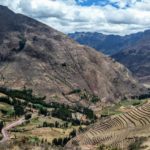
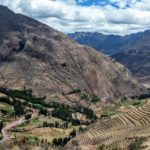
We did a Sacred Valley tour, visiting places such as Pisac and Ollantaytambo.
Our train to Aguas Calientes left in the afternoon from Ollantaytambo, so the timing worked perfectly. We finished the tour there and continued directly to the train station.
We arrived in Aguas Calientes around 6 p.m.
After checking into our hotel, we bought our bus tickets for Machu Picchu and had dinner at El Indio Feliz, which was delicious.
Then we went to bed early.
The next morning was the big day.
Day 3 — Machu Picchu!
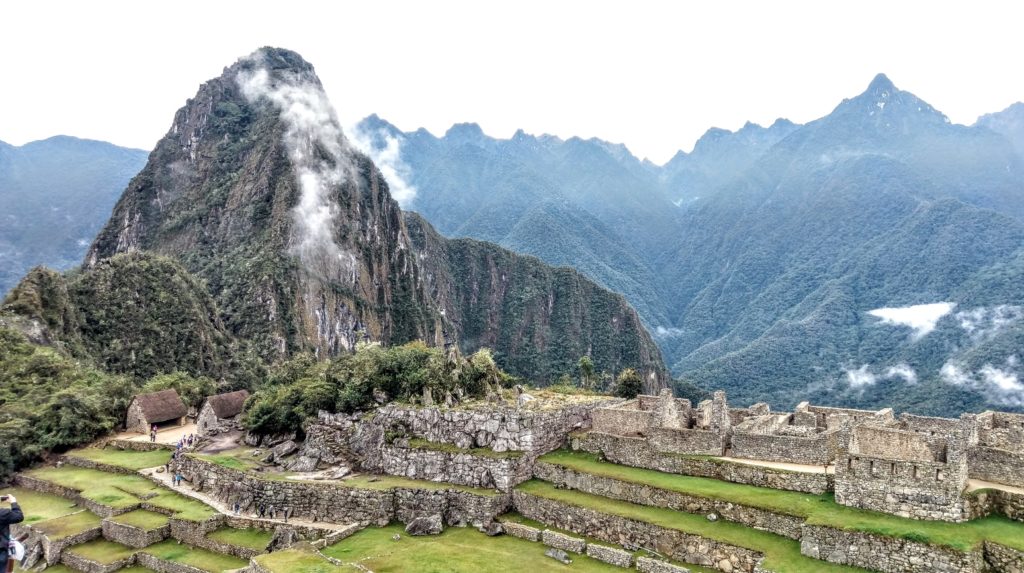
This was definitely one of the highlights of our trip.
Back then, we woke up around 3–4 a.m. because we wanted to be among the first people in line for the bus.
But here’s an important update: Machu Picchu now operates with specific entry times, so your priority should be arriving early enough to take the bus and reach the entrance in time for the entry time on your ticket.
You don’t necessarily need to wake up at 3 a.m. anymore. It depends on the time slot you purchased.
The bus from Aguas Calientes to Machu Picchu
The bus from Aguas Calientes to Machu Picchu costs approximately:
-
US$12 one way
-
US$24 round trip for foreign adults
The journey takes around 25–30 minutes. (aprendiendo.biz)
You can also hike up from Aguas Calientes, which takes roughly 1–1.5 hours depending on your fitness level.
But if you’re planning to hike one of the mountains inside Machu Picchu, I’d personally save your energy and take the bus.
Machu Picchu Circuits
This is something that has changed significantly since my trip, so pay attention to this part.
Since 2024, Machu Picchu has been organized into three main circuits and ten routes.
Circuit 1 — Panoramic
Routes include:
-
Route 1-A: Machu Picchu Mountain
-
Route 1-B: Upper Terrace
-
Route 1-C: Intipunku Gate
-
Route 1-D: Inca Bridge
Some routes are seasonal. (machupicchu.gob.pe)
Circuit 2 — Machu Picchu Classic
This includes:
-
Route 2-A
-
Route 2-B
If it’s your first time visiting Machu Picchu and you want to see the classic archaeological site, this is the circuit I would look into first.
Circuit 3 — Machu Picchu Royalty
This includes:
-
Route 3-A: Huayna Picchu
-
Route 3-B: Designed Route
-
Route 3-C: Great Cavern
-
Route 3-D: Huchuy Picchu
Not every route is available year-round. (machupicchu.gob.pe)
Huayna Picchu or Machu Picchu Mountain?
If you want to hike one of the mountains, you need to purchase the corresponding ticket.
Huayna Picchu is currently Route 3-A.
Machu Picchu Mountain is Route 1-A.
For foreign adults, both have a base price of S/200 in 2026. (machu-picchu.org)
And yes — I would book these well in advance.
One little tip you shouldn’t forget
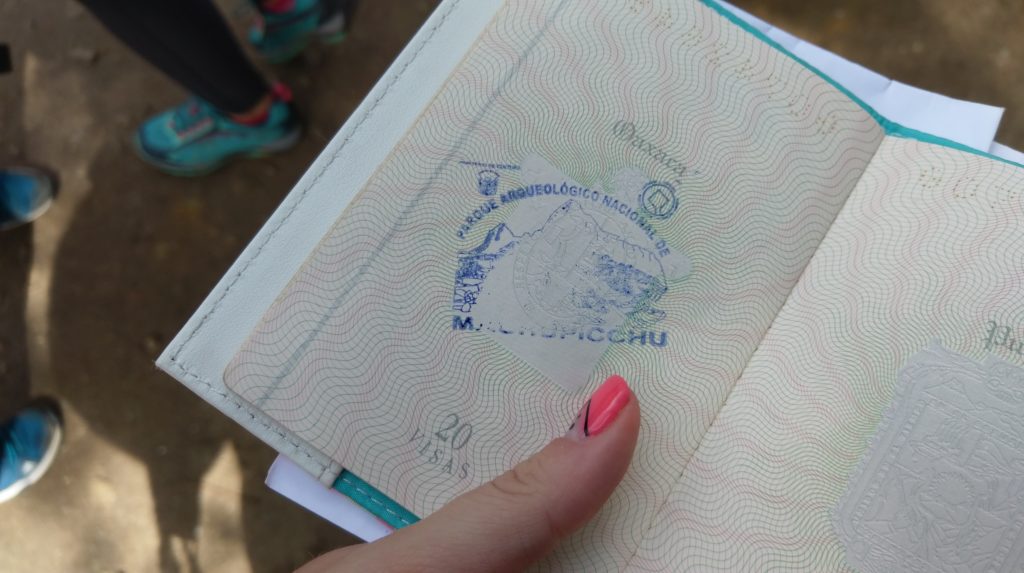
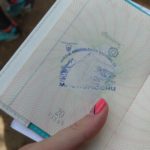
Once you’re inside Machu Picchu, don’t forget to take your photos and, if you like collecting travel souvenirs, look for the famous Machu Picchu passport stamp.
It’s a tiny detail, but I still remember doing it on my trip.
Walking down or taking the bus?
We decided to walk all the way back down to Aguas Calientes.
Let’s just say… I wouldn’t necessarily do it again.
After spending hours walking around Machu Picchu and climbing the mountain, I was completely exhausted.
And I also had to make it back in time for our train.
So my updated advice is:
If you’re tired, take the bus back down.
Saving a little money isn’t worth the stress of potentially rushing and missing your train.
Getting back to Cusco
After our visit, we returned to Aguas Calientes and took the train back.
Depending on your train ticket, you may arrive at Ollantaytambo or another station and continue to Cusco from there.
Before booking your train, check exactly where the train arrives and whether transportation to Cusco is included.
Don’t assume every ticket takes you directly to the center of Cusco.
Day 4 — Maras, Moray, Salineras & Chinchero + City Tour
This was a very full day.
In the morning, we did a tour that included Chinchero, Moray and the Maras Salt Mines.
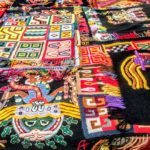
We started in Chinchero, a traditional town known for its textile traditions and Inca heritage.
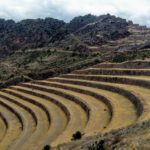
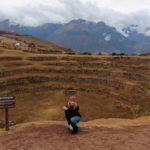
Then we visited Moray, famous for its enormous circular agricultural terraces built by the Incas.
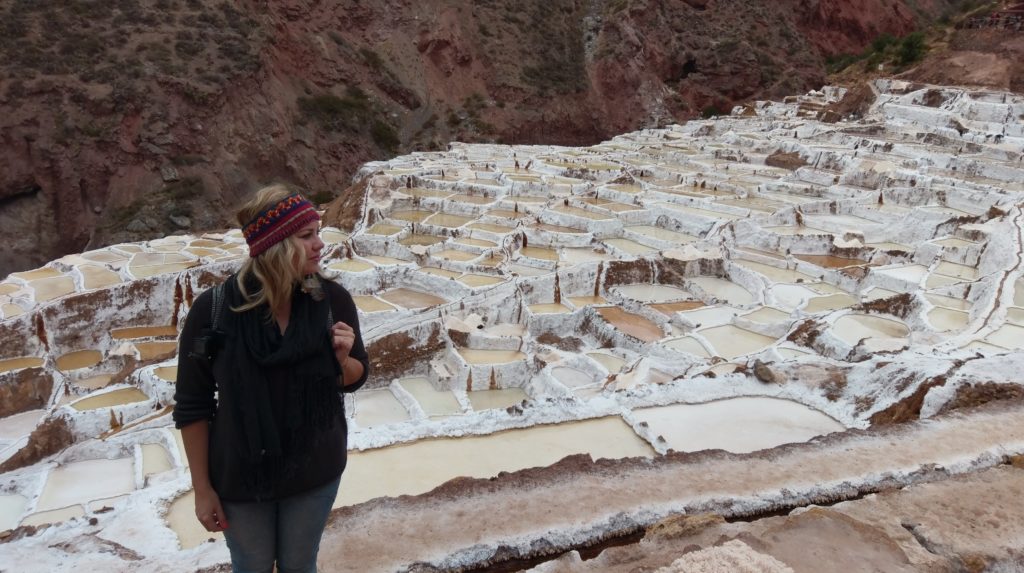
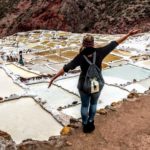
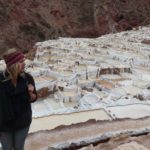
We also visited the Maras Salt Mines, one of the most impressive landscapes in the area. Hundreds of salt pools are still used today, creating a beautiful white-and-brown patchwork across the mountainside.
In the afternoon, we did the Cusco City Tour, which included places such as:
-
Sacsayhuamán
-
Qorikancha
-
Puca Pucara
-
Tambomachay
-
Cusco Cathedral
It was a packed day, so I recommend leaving early and bringing water, sunscreen and something waterproof in case it rains.
An important note about entrance fees
The Cusco Tourist Ticket does NOT include every attraction.
The full tourist ticket currently costs S/130 for foreign visitors and is valid for 10 days. It includes 16 attractions across three circuits. (cosituc.gob.pe)
There are also partial tickets available for S/70.
Keep in mind that places such as the Maras Salt Mines, Qorikancha and Cusco Cathedral have separate entrance fees, so always ask your tour operator exactly what is included.
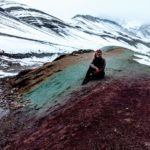
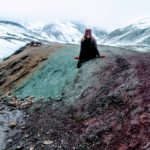
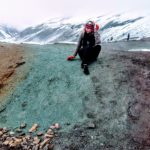
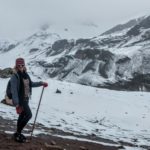
Day 5 — Rainbow Mountain
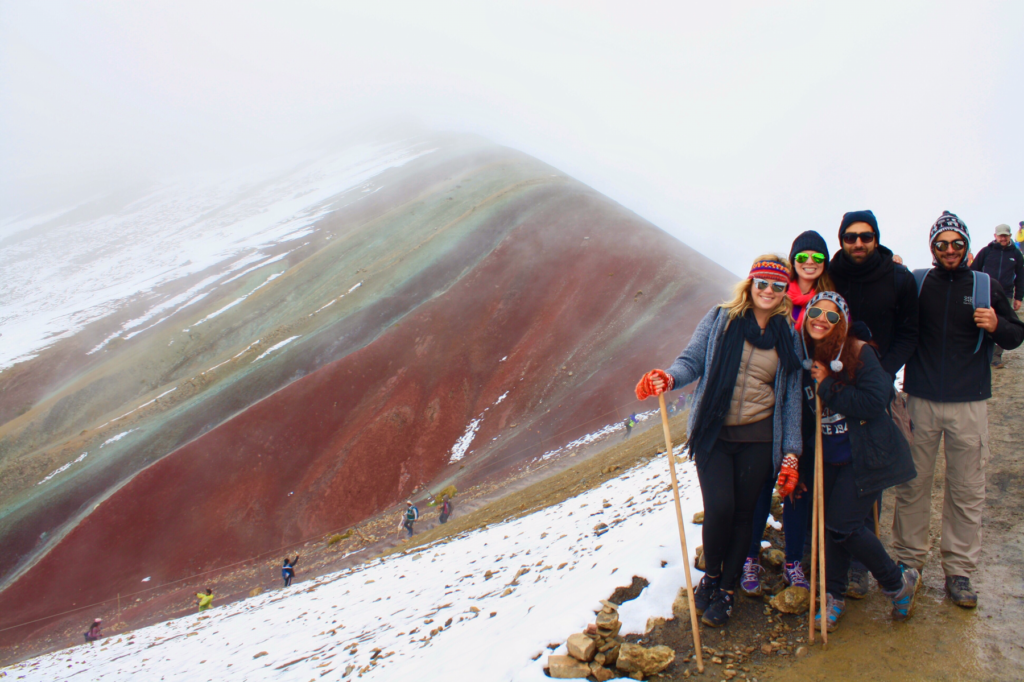
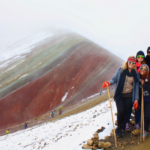
We spent pretty much the entire day doing the Rainbow Mountain tour.
And here’s an important piece of advice:
Give yourself time to acclimatize to the altitude first.
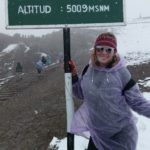
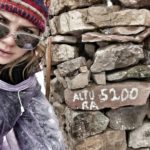
Rainbow Mountain is located at more than 5,000 meters above sea level, and it can be much more physically demanding than you expect.
I would definitely not schedule it for your first day in Cusco.
Day 6 — South Valley + Cusco at night
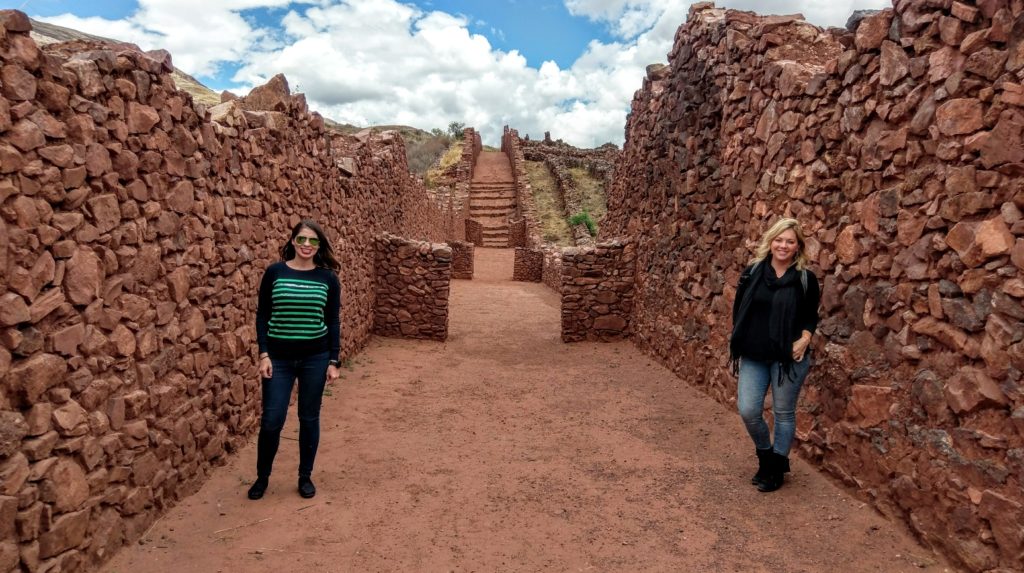
We did the South Valley tour, which included:
-
Tipón
-
Pikillaqta
-
Andahuaylillas
We finished around 3 p.m.
After that, we went to PAPACHOS for lunch.
Yes, I know a burger doesn’t exactly sound like traditional Peruvian food, but they were delicious and the restaurant uses some really interesting Peruvian ingredients.
My recommendation back then was the Cusco burger.
That night, we went out for drinks and eventually ended up dancing around the Plaza de Armas.
Back then, places like Changos and Mama Africa were popular nightlife spots.
Day 7 — Back to Mexico
We flew back to Mexico.
Buuuh.
End of the trip.
How much does a Machu Picchu trip cost in 2026?
This is where my original article definitely needed an update.
Your total cost will depend heavily on your travel dates, accommodation and how independently you travel, but these are some of the main expenses you should budget for.
Machu Picchu entrance
For foreign adults:
-
Standard route: S/152
-
Huayna Picchu: S/200
-
Machu Picchu Mountain: S/200
-
Some special routes: S/200
There is also an additional S/11 conservation fee for foreign visitors in 2026.
Bus from Aguas Calientes to Machu Picchu
Approximately:
-
US$12 one way
-
US$24 round trip
for foreign adults.
Train
Don’t put a fixed train price in your budget.
Prices depend on your date, departure time and service.
As a general 2026 reference, standard services can be around US$60–90 each way, but prices can be significantly higher for panoramic or premium services.
That’s why I recommend comparing PeruRail and Inca Rail.
Cusco Tourist Ticket
-
Foreign adult: S/130
-
Partial ticket: S/70
The full ticket is valid for 10 days.
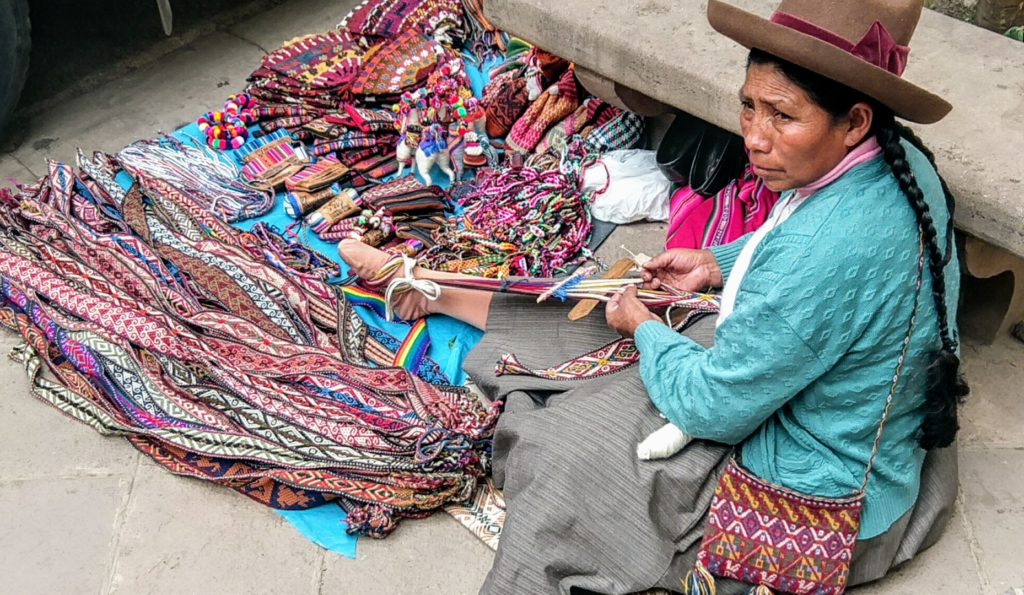
Where should you buy your Machu Picchu tickets?
For Machu Picchu, use the official Ministry of Culture platform:
tuboleto.cultura.pe
The official platform allows you to check availability and purchase tickets. (machupicchu.gob.pe)
For trains, book directly through:
PeruRail or Inca Rail.
For the Cusco Tourist Ticket, tickets are sold through COSITUC. (cosituc.gob.pe)
What would I do differently if I could take the trip again?
After everything I learned from that trip, these would be my priorities:
1. I would book Machu Picchu and the train before booking anything else.
2. I would choose my Machu Picchu circuit first and build the rest of the itinerary around it.
3. I would spend a few days acclimatizing before doing Rainbow Mountain.
4. I would pack rain gear regardless of what the forecast says.
5. I would leave plenty of time between my Machu Picchu visit and my return train.
6. I would compare the actual cost of tours, including entrance fees and transportation.
7. I wouldn’t try to save money on absolutely everything. Sometimes paying for the bus after a long day of hiking is completely worth it.
And what happened to my bottle of Pisco?
Before heading back to the airport, I had a slightly crazy experience.
We had bought a few bottles as gifts, and when my luggage was inspected, they wanted to make sure the bottles really contained alcohol.
They actually opened one of them.
Let’s just say I was not happy.
So my updated advice is much simpler:
If you buy alcohol or any product that could raise questions at the airport, keep your receipts and check the current airline and customs regulations before you travel.
Don’t assume the rules from my trip are still exactly the same today.
Final tips for visiting Machu Picchu
Machu Picchu is one of those destinations where planning ahead can make a huge difference.
You don’t have to spend a fortune or book absolutely everything months in advance, but you do need to understand which things have limited availability and which things you can decide once you’re in Peru.
If you’re planning the trip yourself, I would do it in this order:
1. Choose your travel dates
2. Buy your Machu Picchu ticket
3. Choose your circuit and route
4. Book your train
5. Book your hotel in Aguas Calientes
6. Plan your Cusco tours and activities
7. Prepare for the altitude and changing weather
And most importantly, always check the official websites before your trip because prices, schedules, routes and access conditions can change.
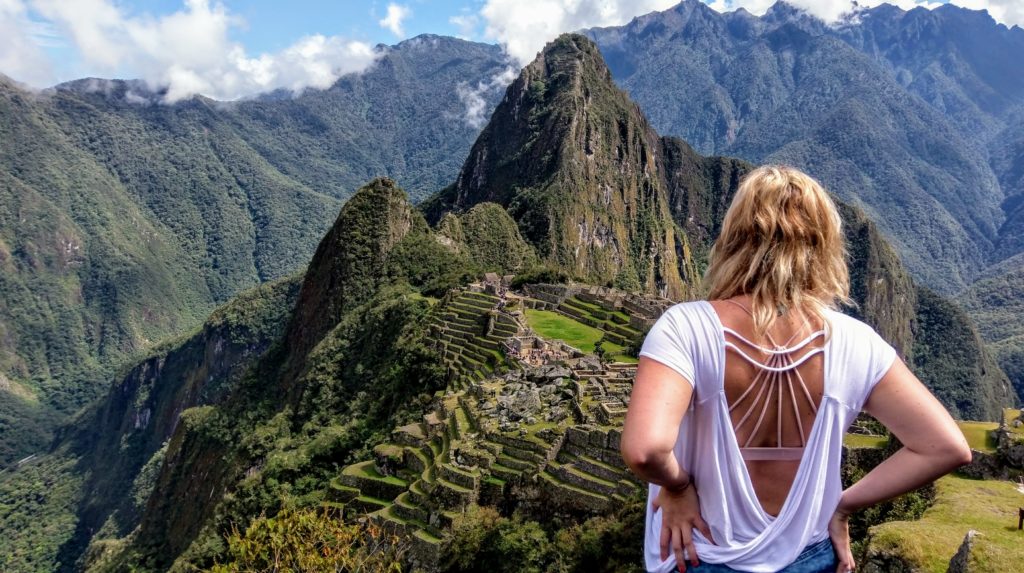
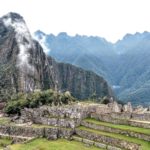
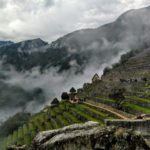
Machu Picchu has changed quite a bit since my trip, but the experience of standing there and seeing the ancient city surrounded by those mountains is something I’ll never forget.




'/%3E%3Cpath%20fill='%2330c2dc'%20d='M493%20379c-14-6%2010-16%2014-16-8-1-21%203-27%203l-57-3c-7-1-12-10-10-10-3%203-37-9-27%200l9%2014c15-3%2030%208%2013%2014%203%200%2057-4%2085-2'/%3E%3Cpath%20fill='%23f9aa51'%20d='M475%20366v13q-1%207-7%207h-35q-6-1-7-7v-13q0-6%207-7h35q7%201%207%207'/%3E%3Cpath%20fill='%230c8489'%20d='M388%20335c-11%205-28-12-25-24%203-13%2028-2%2029%2014%207-2%2020%202%2025%207%209-11%2038-3%2041%2010%2011-13%2028-9%2034-3%2013-10%2033-4%2030%207-3%2012-29%2015-37%206-1%201-20%200-22%2016h-11c-3-4-2-14-1-15-11%204-29-3-34-10-7%204-25-1-29-8'/%3E%3Cpath%20fill='%23fcca3d'%20d='m419%20304-3%203c-7-4-11%208-19-2-2-3-3-10%205-16%205-3%2018-5%2019%200%203%206%207%206%204%209l4%203v9zm56%2031c-15%204-16%209-15%2012q-7-6-1-10c-9-8-10%206-8-6%201-8%2024%205%2018-15h9q-1%2015%2017%2019c0%2024%202-3-6%205-2%200-5-6-14-5'/%3E%3Cpath%20fill='%238f4620'%20d='M418%20268c-4-24%2020-46%202-44-16%201-18-2-18-2-6-7%2010-11%209-20q2%2011%205-4c2%206%204%208%205-3%205%207%2017%205%2025%2010q-3-6-10-11c-12-11%2012-9%2012-9%2033-11%2044%2012%2061%2012-17%203%2013-2%2038%2058-18-11%2012-1-7%2067%200%200-45-57-36-39-10-5-20-18-20-18-11%203-2%204-1%2020%200%200%2043%2030%2045%2036%201%206-10%204-25%207-16%202-23-20-22-10s-16%205-16%205-19-29-19-9c-39-3-20-15-20-15s10%202%208-2c-2-3-12-4-16-29m-7-66'/%3E%3Cpath%20fill='%23f9c83a'%20d='M407%20220c10%203%2015-3%2016%204%204%204-22%209-19%2014-7%203-18-10-5-16%201-5%206-3%206-3l6-8q3%207-4%209'/%3E%3Cpath%20fill='%23a8ac71'%20d='M403%20309c-15%201-19%205-23-16-18-16-8-25-7-28%201-8-12-11-15-10-1-8%2022-1%2021%209-1%209-7%2011%206%2024%205%204%203%2014%2011%2011-1%204%203%2010%207%2010m6-18c10-8-24%202-26-24-1-15%2027-22%2023-34l-5-3q1-4%207-3c19%2015-11%2027-14%2038-4%2024%2031-5%2025%2029l-3%205q-7-4-7-8m-11-54c-25%206-23-35-7-35%201%2020-15%2015%205%2015-8%200-13%2011-3%2012q1%206%205%208'/%3E%3C/svg%3E)
'/%3E%3C/svg%3E)