Día de Muertos museums in Mexico City If You Love Día de Muertos
this November

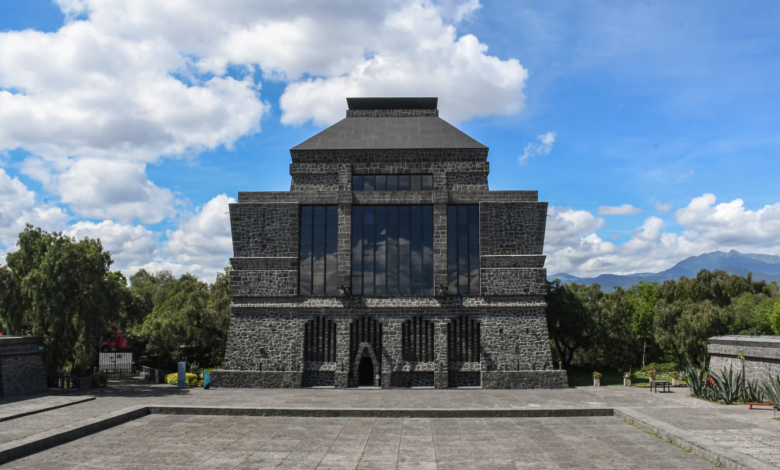
Table of Contents
During the fall, several cultural spaces in Mexico City create special exhibitions and traditional altars that offer a deeper look into the meaning of Día de Muertos. And if you’re planning a trip to Mexico this November, I think these experiences deserve a place on your itinerary.
For 2026, three museums stand out: Museo Diego Rivera Anahuacalli, Museo Dolores Olmedo, and Museo Nacional de Culturas Populares.
Even better, all three are located in southern Mexico City, around the Coyoacán and Xochimilco areas, making them great additions to a cultural day exploring this part of the city.
1. Museo Diego Rivera Anahuacalli: Art, Architecture, and Día de Muertos
If you’re looking for a museum that feels completely different from the traditional museum experience, start with the Museo Diego Rivera Anahuacalli.
Designed by Mexican muralist Diego Rivera to house his extensive collection of pre-Hispanic art, the museum is built largely from volcanic stone. Its architecture draws inspiration from ancient Mexican cultures, and the surrounding landscape makes the visit feel like an experience in itself.
During Día de Muertos, the museum takes on an even more special atmosphere.
The 2026 Día de Muertos altar
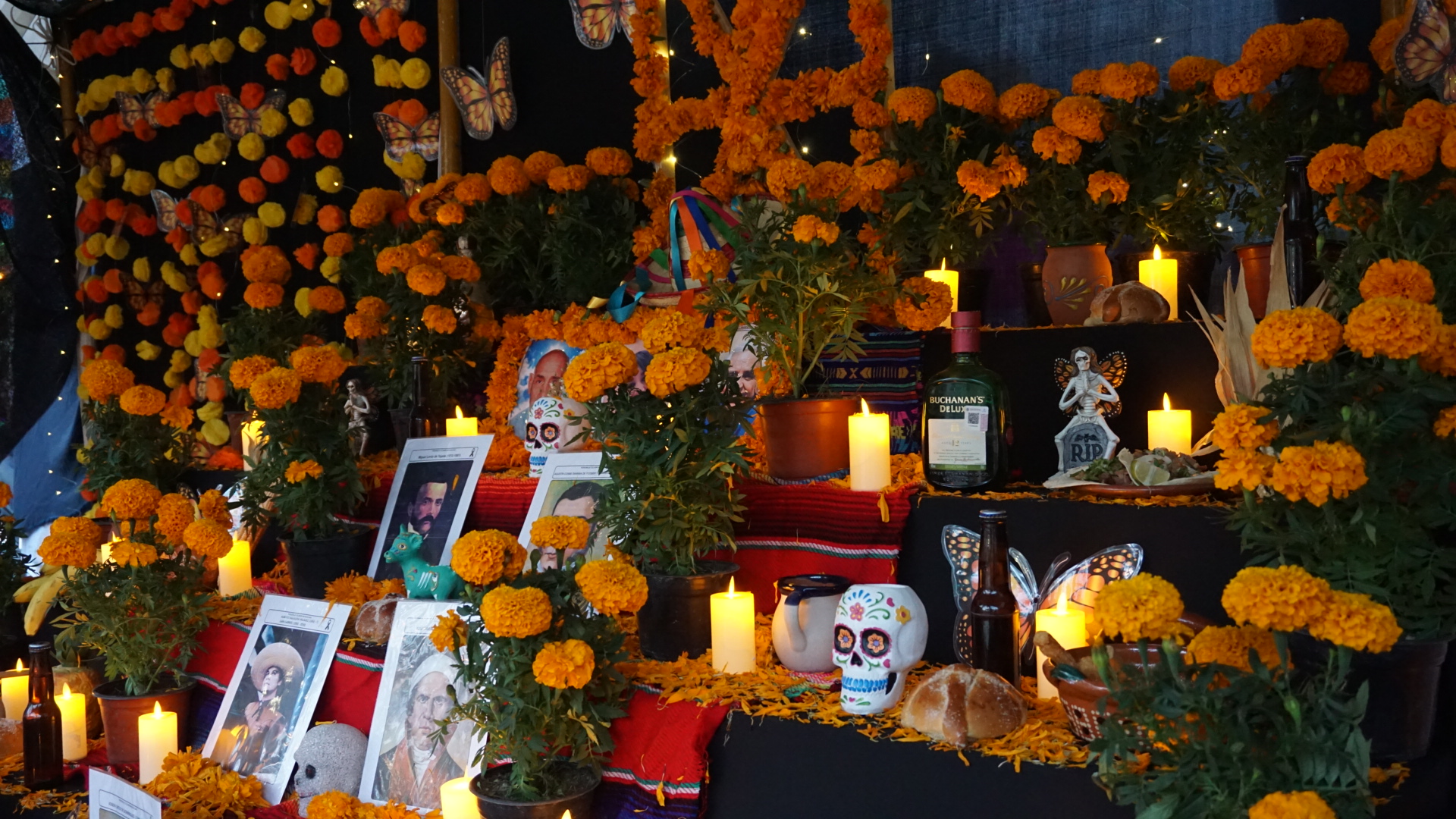
This year’s traditional altar is dedicated to Saturnino Herrán, a Mexican painter born in Aguascalientes who is considered an important precursor to Mexican muralism.
Herrán and Diego Rivera were contemporaries who studied at the Academy of San Carlos, and both explored Mexican identity and the country’s pre-Hispanic heritage through their art.
The 2026 altar brings these artistic connections to life, drawing on Coatlicue, an important figure in Mexica mythology who also appears in Herrán’s work and influenced Rivera.
The altar will be on display from October 28 through November 29, 2026.
What makes this experience particularly interesting is that it goes beyond a traditional decorative display. It explores the relationship between two artists and the way Mexico’s pre-Hispanic past influenced the development of Mexican art.
The museum will also host the Cacao Para Todos Festival from October 29 through November 2, making it an appealing stop if you’re visiting around the main Día de Muertos celebrations.
Best for: Art lovers, architecture enthusiasts, history buffs, and travelers interested in pre-Hispanic Mexico.
When to visit: The altar remains on display through November 29, so you don’t have to visit on November 1 or 2 to experience it.
My tip: Take your time exploring the building and permanent collection instead of visiting just for the altar. The architecture alone makes this museum worth adding to your Mexico City itinerary.
2. Museo Dolores Olmedo: Frida Kahlo, Diego Rivera, and a Traditional Altar
There’s a special reason to include Museo Dolores Olmedo on this year’s Día de Muertos itinerary: the museum reopened in 2026 after six years of closure.
Located in the historic Hacienda La Noria in Xochimilco, the museum reopened its doors on May 30, 2026. It is known for its important collections connected to Diego Rivera and Frida Kahlo, as well as pre-Hispanic art and Mexican folk art.
And this year, one of its best-known traditions is back.
¡Calacas al Museo!
The special exhibition and Día de Muertos altar, “¡Calacas al Museo!”, runs from October 23, 2026, through January 17, 2027.
That means you can visit throughout November and even after the main Día de Muertos festivities have ended.
The museum’s tradition of creating elaborate altars is closely connected to Dolores Olmedo and her relationship with Diego Rivera. Over the years, these displays have become an important part of the museum’s cultural identity, bringing together Mexican folk art, traditional cartonería, and elements associated with the celebration.
But there’s more to see than the altar itself.
You can explore the historic hacienda, discover the museum’s art collections, and walk through its gardens. The grounds are also known for their animals, including Xoloitzcuintli dogs and peacocks.
If you enjoy visiting places where you can spend several hours exploring at your own pace, this museum is a great choice. It’s not simply a quick stop to take a few pictures and leave.
Best for: Frida Kahlo and Diego Rivera fans, art lovers, garden enthusiasts, and travelers interested in Mexican folk art.
When to visit: Anytime in November 2026. The special exhibition continues until January 2027.
My tip: Since the museum is in Xochimilco, consider pairing your visit with other activities in the area. Check current opening hours, ticket availability, and any access restrictions before heading out.
3. Museo Nacional de Culturas Populares: Discover the Traditions Behind Día de Muertos
The third museum offers a different perspective.
While Anahuacalli focuses on art and pre-Hispanic influences, and Museo Dolores Olmedo connects Día de Muertos with some of Mexico’s most celebrated artists, Museo Nacional de Culturas Populares explores the country’s living cultural traditions and popular art.
Located in Coyoacán, it’s an excellent stop if you want to understand more about the customs and communities behind the celebration.
Día de Muertos at Museo Nacional de Culturas Populares
From October 29 through November 2, 2026, the museum will host its traditional fair, “No estaban muertos, andaban de parranda…”.
The event includes traditional altars, art, and cultural activities related to Día de Muertos. The fair is scheduled to run from 11 a.m. to 7 p.m., with free admission.
The program also includes cultural presentations. On November 1, for example, a presentation of the book La ilusión por el retorno: Día de Muertos en México is scheduled.
I like including this museum because it reminds us that Día de Muertos isn’t celebrated in exactly the same way throughout Mexico.
Altars, food, music, crafts, and the ways people remember loved ones can vary considerably depending on the region and community.
Visiting a museum dedicated to popular culture gives you the opportunity to look beyond the colorful decorations and Instagram-worthy displays and learn more about the traditions that make this celebration so meaningful.
Best for: Travelers interested in Mexican culture, traditional crafts, regional customs, and cultural experiences beyond the usual tourist attractions.
When to visit: Ideally, between October 29 and November 2, 2026, when the special fair takes place.
My tip: Combine your visit with a walk around Coyoacán’s historic center. You can explore its plazas, cafés, markets, and other cultural attractions in the same area.
How to Visit These Three Museums in Mexico City
One advantage of these museums is that they can fit into a cultural itinerary focused on southern Mexico City.
However, I wouldn’t try to rush through all three in a single day. Each offers a different experience, and the distances between them can take longer to navigate than expected.
If you only have one day
Start in Coyoacán at Museo Nacional de Culturas Populares, especially if you’re visiting during its Día de Muertos fair.
Spend some time exploring the historic neighborhood before heading to Museo Diego Rivera Anahuacalli.
I’d save Museo Dolores Olmedo for another day because it’s in Xochimilco and deserves a more relaxed visit.
If you have two days
You’ll have more time to enjoy each experience without constantly checking the clock.
Day 1: Coyoacán and Anahuacalli
- Visit Museo Nacional de Culturas Populares.
- Explore Coyoacán’s historic center.
- Head to Museo Diego Rivera Anahuacalli to see the architecture, collection, and 2026 altar.
Day 2: Xochimilco and Museo Dolores Olmedo
- Visit Museo Dolores Olmedo and its special exhibition.
- Explore the surrounding area.
- Consider other Xochimilco activities if time allows.
Check the museums’ opening schedules and travel times before finalizing your itinerary, especially if you’re visiting during the busiest days of the celebration.
Is November a Good Time to Visit Mexico City for Día de Muertos?
Absolutely, and you don’t necessarily need to plan your entire trip around November 1 and 2.
One of the best things about planning a trip around Día de Muertos is that the celebrations and exhibitions often extend beyond the main holiday dates.
In 2026, for example, the Anahuacalli altar will remain on display through November 29, while Museo Dolores Olmedo’s special exhibition will continue until January 17, 2027.
This gives you more flexibility when planning your trip and may help you avoid some of the crowds associated with the main celebrations.
You can also combine these museum visits with a trip to Coyoacán, local markets, seasonal pan de muerto, public altars, and other cultural events around the city.
If this is your first time visiting Mexico during Día de Muertos, I’d recommend making room for both the major attractions and the smaller cultural experiences that help explain the meaning behind the celebration.
Día de Muertos Is About More Than Catrinas
That’s ultimately why I think these three museums are worth visiting.
Día de Muertos looks different depending on where you are in Mexico, but one idea connects many of its traditions: remembering loved ones and keeping their memories alive.
Through paintings, folk art, photographs, traditional altars, and the familiar orange glow of marigold flowers, the celebration turns memory into something tangible.
And if you’re visiting Mexico City this November, these museums offer a meaningful way to experience that tradition from a different perspective.
You don’t have to be an art expert or know every detail of Mexican history to appreciate them. Sometimes, all you need is curiosity and a willingness to learn something new.
Save this guide for your November trip to Mexico City and share it with someone you’d love to experience Día de Muertos with.
Plan Your Mexico City Trip
Before visiting, confirm each museum’s current opening hours, ticket prices, and special-event schedules through its official channels.
If you’re planning to explore several neighborhoods, allow extra time for transportation. Mexico City is large, and even attractions in the southern part of the city may require separate travel plans.
For more Mexico travel inspiration, cultural experiences, and destination guides, explore The Pink Travel Society.