
Why You Should NOT Visit Dolphinariums or See Orcas in Captivity (And What to Do Instead)
Conscious travel means choosing ethical animal experiences

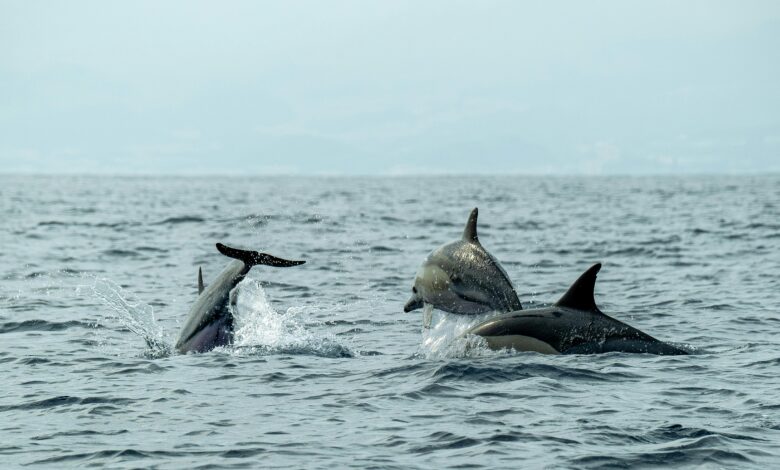
Table of Contents
If you love traveling, animals, and nature, you’ve probably wondered at some point whether visiting a dolphinarium or an orca show is really harmless.
The truth is, even though these places are marketed as “educational” and “family-friendly,” science tells a very different story.
This isn’t about judging — it’s about helping you make more informed, aligned decisions as a conscious traveler 🌿
🐬 The truth about dolphins in captivity
Dolphins are highly intelligent, social animals with complex behaviors. In the wild, they:
- Swim up to 60 miles (100 km) per day
- Live in stable family groups
- Communicate through advanced sound systems and echolocation
In captivity, everything changes.
❌ Documented issues:
- Chronic stress and depression: repetitive behaviors like circling or hitting walls
- Shorter lifespans in many facilities
- Heavy medication use: antibiotics and sedatives
- Family separation: calves taken from mothers or groups broken apart
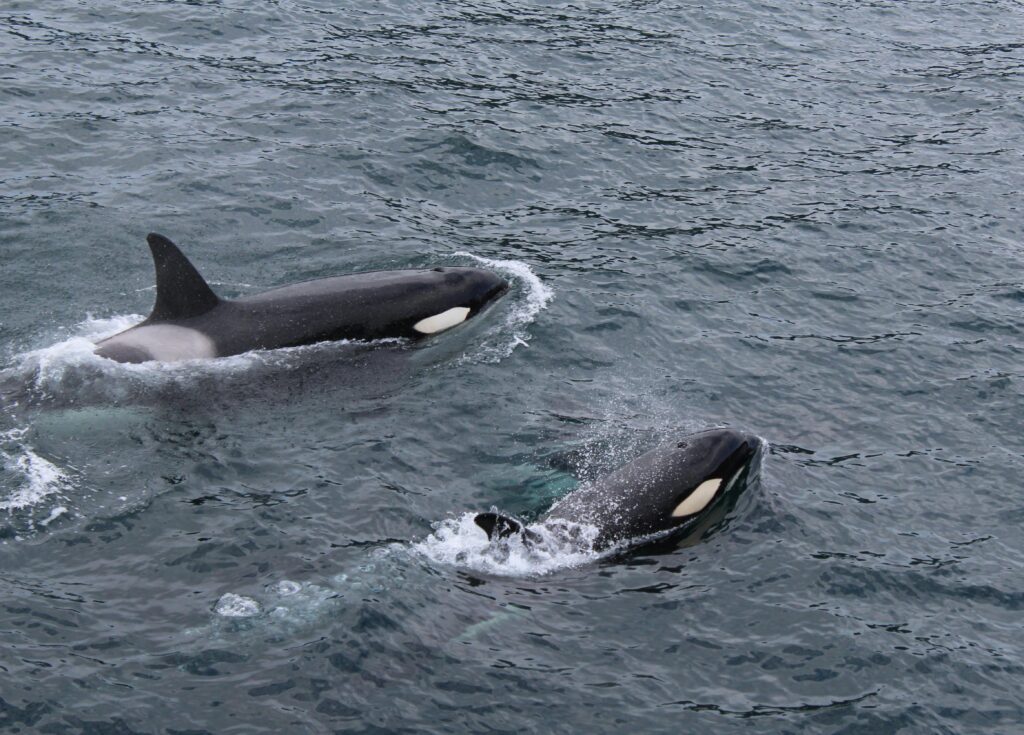
🐋 Orcas: animals that should NEVER be confined
Orcas (often called “killer whales”) are actually the largest members of the dolphin family.
In the wild:
- They travel up to 100 miles (150 km) daily
- Live in lifelong matriarchal family groups
- Have unique dialects depending on their pod
In captivity:
❌ Severe impacts:
- Collapsed dorsal fins (rare in the wild, common in captivity)
- Increased aggression and incidents linked to stress
- Reduced life expectancy
- Extreme sensory deprivation
The documentary Blackfish played a major role in exposing these realities.
🧠 What science says
Organizations like World Animal Protection and Whale and Dolphin Conservation have shown that:
- Cetaceans demonstrate self-awareness
- They experience complex emotions like grief
- Captivity causes irreversible psychological harm
This is not entertainment — it’s deprivation.
🤍 “But they can’t be released anyway…”
This is one of the most common arguments. Here’s how to respond with empathy (and facts):
💬 “They’re already there, might as well go”
👉 Response:
Even if they can’t be released, buying tickets supports the industry. Less demand = fewer animals bred or captured.
💬 “It’s educational for kids”
👉 Response:
Children learn more from seeing animals in the wild or in ethical sanctuaries.
Performing tricks is not natural behavior.
💬 “They’re safer than in the wild”
👉 Response:
Survival isn’t the same as well-being.
In the wild, they have purpose, space, and social bonds.
💬 “If I don’t go, someone else will”
👉 Response:
Collective change starts with individual choices.
This is exactly how many marine parks have already shut down.
🌿 Ethical alternatives (and honestly, better experiences)
If you truly love animals, there are far more meaningful ways to connect with them:
🌊 1. Responsible wildlife watching
- Ethical tours where animals are not touched or chased
- Example: whale watching in season
🐢 2. Sanctuaries and rescue centers
- No breeding, no performances
- Focused on rehabilitation and real education
🐶 3. Pet-friendly & rescue experiences
Perfect for your content style 💖
- Visit local shelters
- Walk rescue dogs
- Promote adoption while traveling
🌿 4. Conscious eco-tourism
- Cenotes
- Nature reserves
- Responsible snorkeling (no touching marine life)
✈️ Plan a more conscious trip
If you’re looking for travel experiences aligned with this lifestyle:
👉 Book ethical stays and activities here
📶 Stay connected while you travel
If you’re exploring beaches, nature, or remote destinations, reliable internet matters.
👉 Get your eSIM with a discount here
or use my code: Christellepatt
💭 Final thoughts
Travel is a privilege.
But it’s also a responsibility.
Every choice we make — where we go, what we pay for, what we promote — has an impact.
Choosing not to visit dolphinariums or orca shows doesn’t mean missing out…
It means evolving as a traveler 🌿
And helping create a world where animals can live free.